



Location
No. 228 North Street, Gaobeidian City, Hebei Province

Opening Hour
09:00 AM - 06:00 PM
Monday - Saturday
For More Information
Your Email Address
SIGN UP
Industries Provide Best Services
It has a number of invention patents and utility model patents, has passed a number of
management certification system certification certificates, and won the honorary title of
"National high-tech Enterprise" and "Hebei Province Specialized in special new small and
medium-sized enterprises."
VIEW MORE
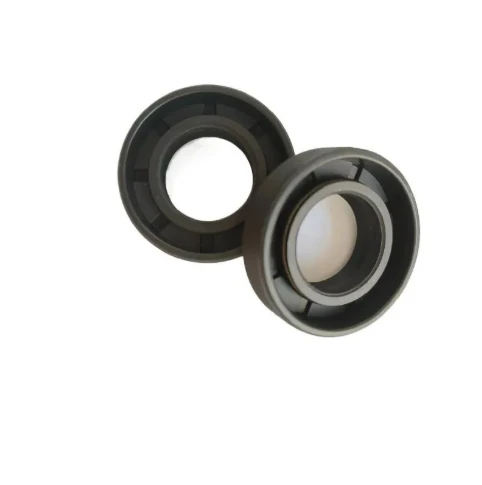
trailer hitch connector wiring
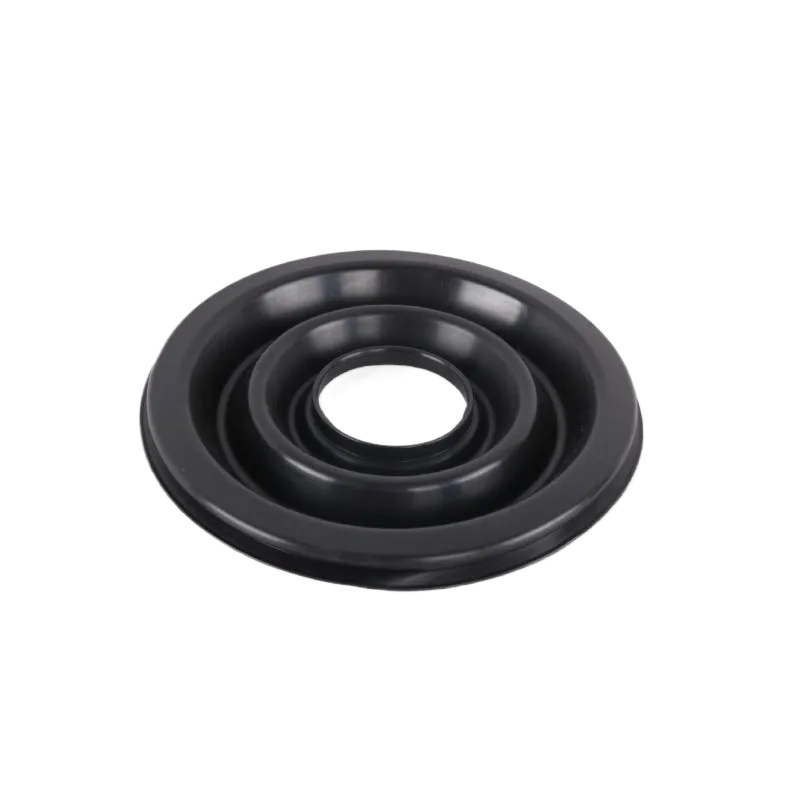
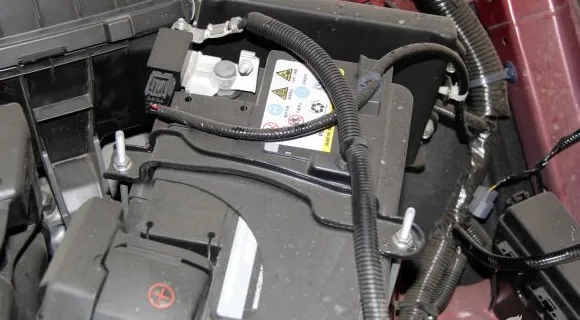
Plug-In Connectors from a seasoned rubber parts manufacturer : real-world notes, specs, and why they matter I’ve walked more factory floors than I can remember, and the best innovations are often deceptively simple. Case in point: customizable Plug-In Connectors coming out of No. 228 North Street, Gaobeidian City, Hebei Province. Built by a team that cut its teeth on elastomer sealing, these connectors lean on rubber know-how to deliver tight IP sealing, stable mating, and fuss-free installation. Sounds basic—until a field failure costs a product launch. Then it’s not basic at all. What’s trending in connectors (and why elastomer expertise helps) Three trends keep showing up: higher densities, harsher environments, and faster certifications. It sounds a bit dry, but the rubber overmold and gasket geometry are doing a lot of heavy lifting—controlling compression set, dampening vibration, and keeping out dust/water per IEC 60529. Customers tell me they don’t want “just a connector”; they want a sealed, testable interface they can ship with confidence, on time. Materials, methods, and the test playbook Typical stack-up: copper alloy contacts with tin or nickel plating, thermoplastic housings (UL 94 V-0), and EPDM or silicone overmold for IP protection. Process flow (simplified): design for manufacturability → compound selection (ASTM D2000-grade elastomers) → insert molding/vulcanization → trimming and deflashing → plating and assembly → 100% visual + sampling to IEC 60512 electrical tests → environmental cycling (IEC 60068), salt spray, and compression set checks. Service life? Around 10,000 mating cycles in lab conditions; real-world use may vary with load, heat, and ingress exposure. Product specification snapshot Product Plug-In Connectors (customizable) Contact material Copper alloy, tin/nickel plated Overmold/Gasket EPDM or silicone, Shore A 50–70 (≈) Voltage / Current Up to 600 V / up to 15 A per contact (config-dependent) Operating temp -40 °C to +125 °C (profile-dependent) IP rating IP67/68 with proper mating Insertion cycles ≈10,000 cycles (IEC 60512) Flammability UL 94 V-0 housing Compliance RoHS/REACH, lead-free Contact resistance ≤10 mΩ typical (new/nominal) Where they end up (and what users say) Use cases: automotive harnesses, solar inverters, industrial controls, white goods, and some medical carts. One engineer told me, “Surprisingly quiet in vibration testing—seals held and no micro-frets.” Another buyer liked the quick tooling turnaround: “We tweaked pin count and gasket thickness without blowing the schedule.” To be honest, that agility is rare. Vendor comparison (shortlist) Vendor Certs Lead time Customization Price level (≈) FY (Gaobeidian) ISO 9001, RoHS, REACH 3–5 wks High (pin count, seal, housing) Mid Vendor A ISO 9001, UL 6–8 wks Medium Mid–High Vendor B IATF 16949, RoHS 4–7 wks Medium–High High Customization and quick case notes rubber parts manufacturer advantages often show in the small stuff: durometer tuning, flash control, and predictable compression. Case 1: an inverter brand needed IP68 with salty coastal air—silicone overmold plus nickel-plated contacts, passed 96h salt spray and IEC 60512 contact resistance drift ≤5 mΩ. Case 2: a washer OEM prioritized low noise; EPDM seal geometry reduced rattle, and field returns dipped under 0.1% in six months. Not bad. If you’re speccing these, ask for material COAs, PPAP (if automotive), and insertion/extraction force curves. And yes, dimensional reports help avoid tolerance stack-up surprises. Certifications and standards referenced ISO 9001 quality system; IATF 16949 on request for auto programs. UL 94 V-0 for housings; RoHS/REACH compliance. IEC 60512 electrical tests; IEC 60068 environmental; IEC 60529 IP ratings. References: IEC 60512: Connectors for electronic equipment—Tests and measurements. UL 94: Tests for flammability of plastic materials for parts in devices. Directive 2011/65/EU (RoHS) and (EU) 2015/863—Restriction of hazardous substances. ISO 9001: Quality management systems—Requirements.
-
1985Year/Establishment
-
4hm²/Land area
-
150People/Number of employeesent
Company Advantage
Our Advantage Is To
Change Your Company
Change Your Company
-

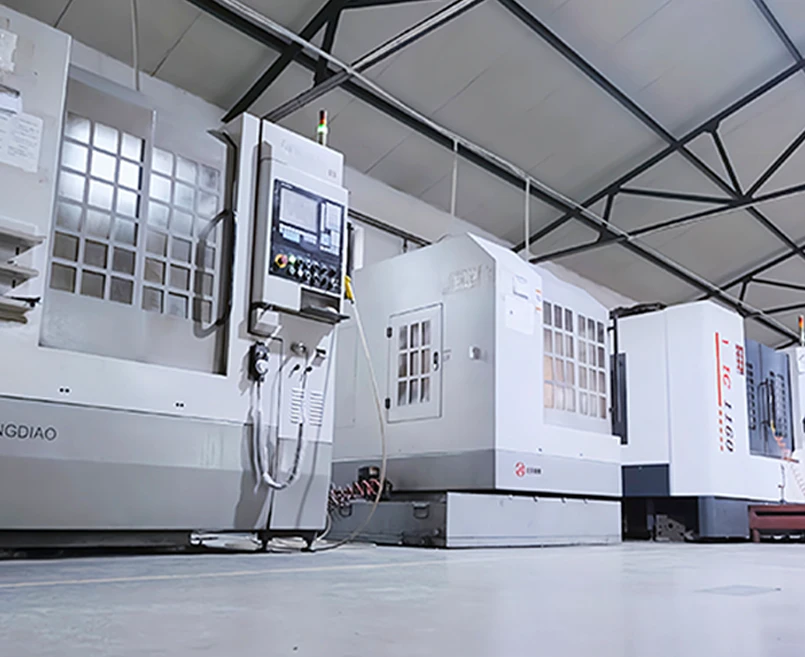
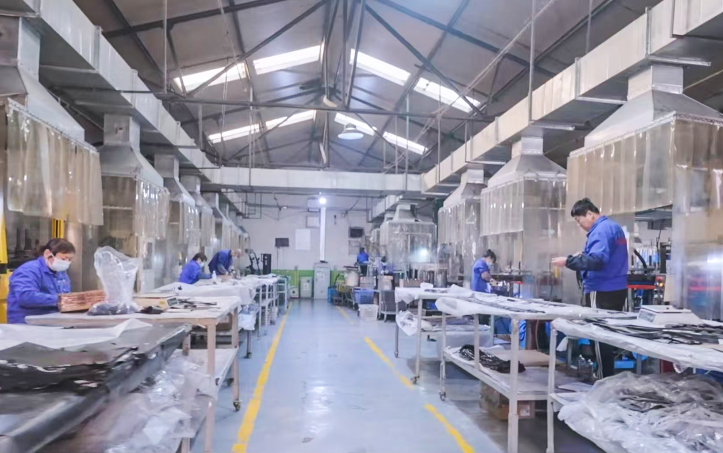
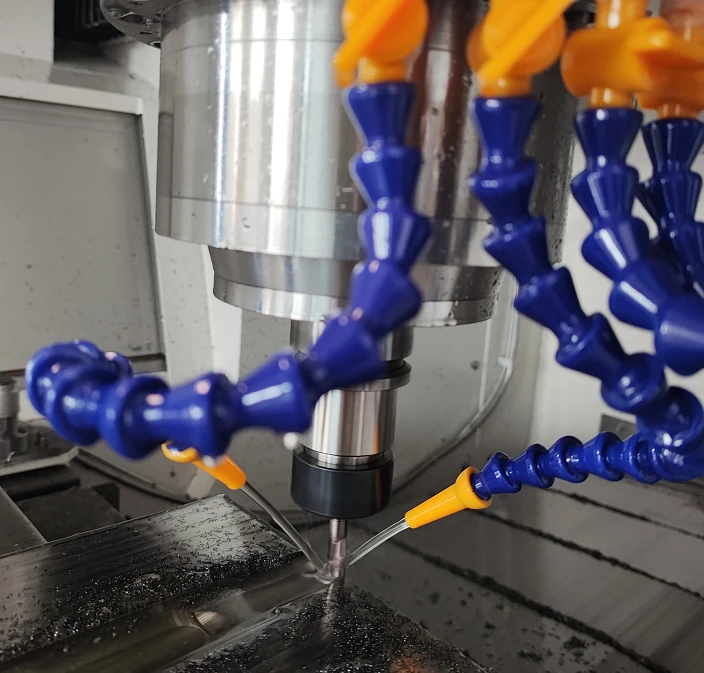
 ProfessionalWith 40 years of experience in customizing rubber and plastic products, we have rich production experience, advanced equipment, and a professional quality inspection system
 -

 ServiceProviding a full range of services including design, research and development, production, testing, etc., personalized customization, customer first, and quick response
 -

 ResourcesFactory direct supply, over a thousand application formulas and selection solutions, worry free after-sales service
Company Honor
Enterprise
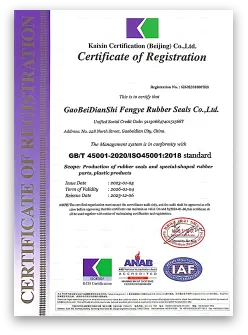
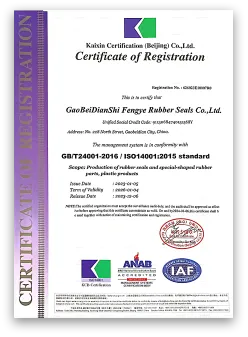
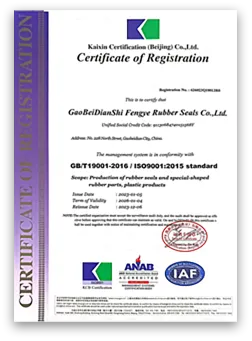
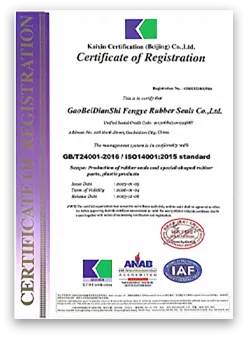
Honor Certificate
Honor Certificate
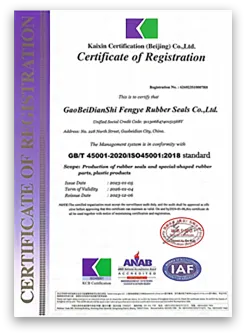
Has passed a number of management certification system certification
certificates, and won the honorary title of "National high-tech Enterprise" and "Hebei
Province Specialized in special new small and medium-sized enterprises."
VIEW MORE
Company News
Latest Blog & Aritcles
-
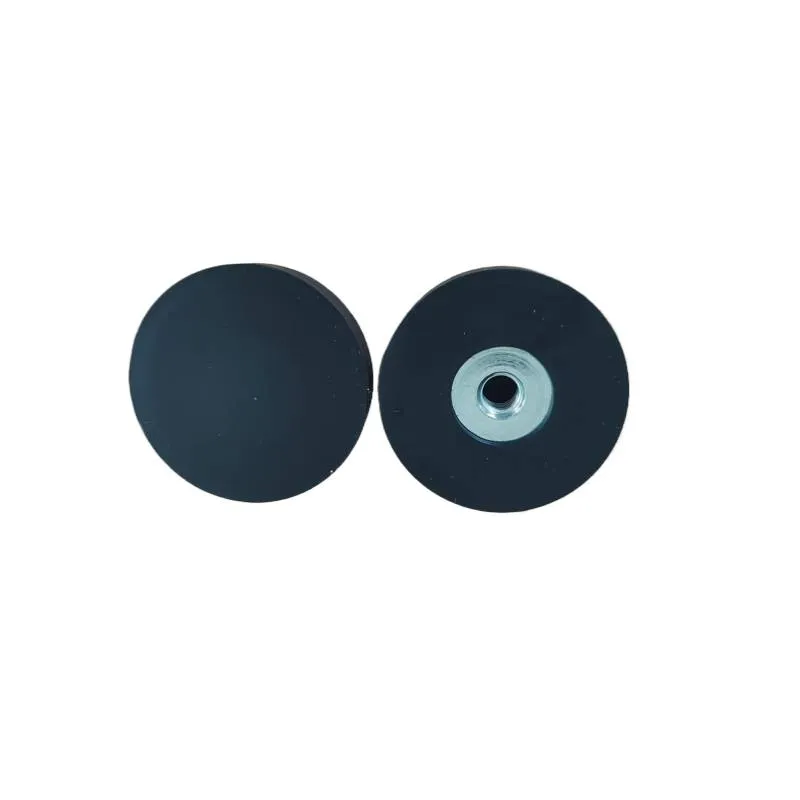 Securing Every Lift: The Importance of the Clevis Hook Safety Latch2026-04-06 01:43Safety is non-negotiable in hoisting operations, and the clevis hook safety latch stands as a critical component that ensures every load is lifted and secured with confidence. Designed to prevent accidental detachment, the clevis hook safety latch enhances control, boosts productivity, and minimizes risk across industrial and construction environments. What Is a Clevis Hook Safety Latch and Why It
 -
 A Guide to Quality and Durability2026-04-06 01:32When it comes to reliable, long-lasting wheels for a variety of applications, rubber wheel solutions are among the top choices. Whether you're searching for a trusted rubber wheel supplier , looking for durable solid rubber wheels , or need versatile castor wheels rubber for easy mobility, there’s a perfect wheel for every situation. This guide explores the different types of rubber wheels and the
 -
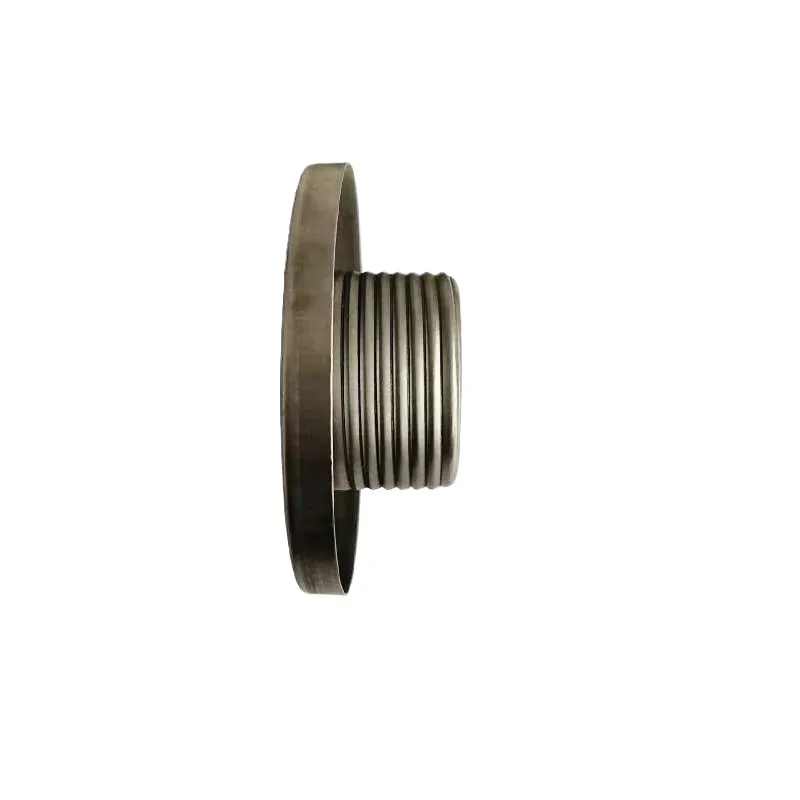 Looking for a Rubber Stopper that's Leak-Proof and Durable?2026-04-06 00:44rubber stopper is a key solution in the manufacturing industry, specifically within the Rubber and plastic products industry and rubber products manufacturing. This article explores how GaoBeiDianShi Fengye Rubber Seals Co.,Ltd. supports professionals with durable, high-performance products, and explains why this product is an ideal choice for businesses in these sectors. Table of Contents rubber
GaoBeiDianShi Fengye Rubber Seals Co.,Ltd
We take the rubber parts and plastic parts production as the leader ,
set customization, research and development,
Quick Links
Our Products
Contact Us
- Mob: +86 0312-2911666/+86 0312-2911318
- Fax: 0312-2911511
- Email: rubber@hbfengye.com/
- Add: No. 228 North Street, Gaobeidian City, Hebei Province
Copyright © 2025 GaoBeiDianShi Fengye Rubber Seals
Co.,Ltd. All Rights Reserved. Privacy
Policy


